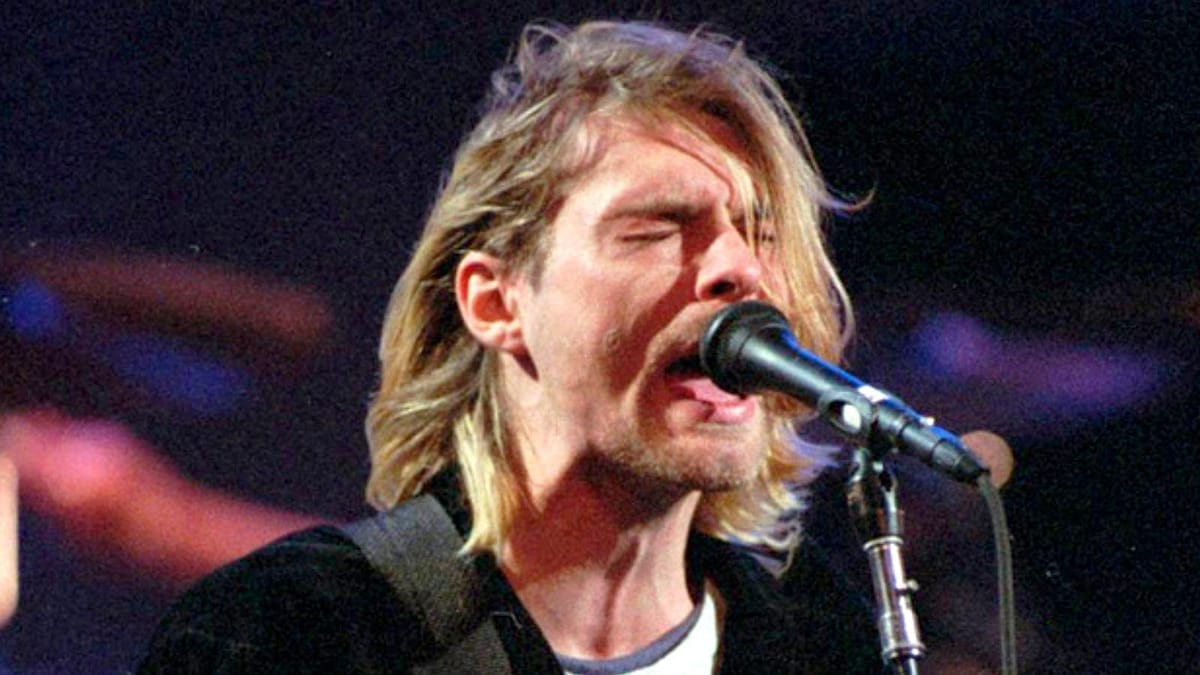
Years On: New Study Casts Doubt on Kurt Cobain's Suicide
The morning of April 8, 1994, brought devastating news that reverberated across the globe: Kurt Cobain, the iconic frontman of Nirvana, had been found dead at his Seattle home. The world mourned the loss of a musical genius, and the official ruling from the King County Medical Examiner stated he had died from a self-inflicted shotgun wound. For decades, the case of the 27-year-old rock legend was considered closed, solidified as a tragic suicide. However, a seismic new forensic study is now challenging this long-standing conclusion, reigniting a debate that has simmered for over 30 years and casting significant doubt on the initial findings concerning the **Kurt Cobain Death Ruling**.
The Official Narrative: A Case Considered Closed
For more than three decades, the official account of Kurt Cobain's death has been firmly established. His body was discovered three days after his estimated time of death, in the greenhouse above the garage of his Lake Washington Boulevard residence. A Remington Model 11 20-gauge shotgun was found at the scene, reportedly used in the fatal incident. The King County Medical Examiner concluded it was a suicide, and despite persistent rumors and theories, the case officially remained closed. This ruling has shaped public perception and narrative, cementing a tragic end to one of music's most influential figures. Yet, the recent work of an independent, private-sector team of forensic scientists seeks to unravel this accepted truth, proposing a startling alternative.
Physiological Anomalies: Contradicting a Rapid Shotgun Death
At the heart of the new challenge to the **Kurt Cobain Death Ruling** are compelling physiological findings from a re-examination of Cobain's autopsy and crime scene materials. The forensic team, including specialist Bryan Burnett and independent researcher Michelle Wilkins, points to specific evidence that they argue is inconsistent with a rapid death by shotgun.
Wilkins, who collaborated closely with the team, highlights signs of oxygen deprivation within Cobain's autopsy report. "There are things in the autopsy that go, well, wait, this person didn't die very quickly of a gunshot blast," she explained. Key observations cited include:
* **Necrosis of the Brain and Liver:** This cellular death, particularly in these organs, is commonly associated with a prolonged lack of oxygen. The team argues it aligns more with the effects of a severe heroin overdose, which significantly slows breathing and reduces oxygen flow to vital organs, rather than the immediate, catastrophic trauma of a shotgun wound.
* **Fluid in the Lungs:** Often a symptom of pulmonary edema, which can develop when the heart is weakened or when oxygen levels are dangerously low for an extended period.
* **Bleeding in the Eyes:** Medically known as petechial hemorrhages, these can occur due to increased pressure in the capillaries, often seen in cases of asphyxia or significant oxygen deprivation.
* **Damage to the Brain and Liver:** Beyond necrosis, the broader damage observed is considered more indicative of a body shutting down slowly under extreme stress, such as from an overdose, before a final, immediate trauma.
These findings collectively suggest that Cobain may have been incapacitated or deceased from a heroin overdose *before* the shotgun was discharged. As Wilkins asserts, "The necrosis of the brain and liver happens in an overdose. It doesn't happen in a shotgun death." This pivotal argument fundamentally shifts the potential timeline and mechanism of death. For a deeper dive into these specific findings, you can read more at
New Autopsy Findings Suggest Overdose Before Cobain's Shot.
The Unusually Orderly Crime Scene: Questions of Staging
Beyond the physiological evidence, the forensic team also scrutinizes the crime scene itself, pointing to several elements that challenge the conventional understanding of a violent suicide. According to Michelle Wilkins, the scene was remarkably "clean" and orderly, which she finds atypical for such an event.
* **Receipts in Pockets:** The presence of a receipt for the gun and another for the shells, neatly tucked into Cobain's pockets, is questioned. In a moment of extreme distress leading to suicide, such meticulous placement might seem unusual.
* **Lined-Up Shells:** Wilkins noted that the spent shotgun shells were "lined up at his feet," an arrangement that could suggest a deliberate placement rather than the haphazard scatter expected from a violent, self-inflicted act.
* **Hand Placement and Lack of Blood Spatter:** Perhaps one of the most striking observations concerns the positioning of Cobain's hands and the absence of specific blood patterns. Wilkins argues that if Cobain's left hand had been near the shotgun's muzzle during discharge, it is "no universe where that hand is not covered in blood." The observed lack of blood spatter on his hands or surrounding areas in a manner consistent with firing the weapon raises significant questions about the sequence of events and who, if anyone, pulled the trigger.
These details, when considered alongside the physiological evidence, contribute to the team's stark conclusion. Bryan Burnett reportedly stated, "This is a homicide. We've got to do something about this." The meticulously detailed nature of the scene, coupled with the medical findings, forms a powerful argument for a re-evaluation of the initial **Kurt Cobain Death Ruling**.
Reopening Old Wounds: The Enduring Impact of Doubt
The emergence of this new forensic study has inevitably reopened painful wounds, particularly for Courtney Love, Kurt Cobain's widow, who has faced decades of unfounded blame and intense scrutiny since his death. While officials continue to stand by their original findings, these fresh claims have understandably sparked a resurgence of conspiracy theories that have circulated in various forms for years.
For Love, the renewed focus on the circumstances of Cobain's death brings a painful familiarity, forcing her to once again confront the tragedy and the public’s often harsh judgment. This ongoing scrutiny underscores the immense weight of celebrity deaths, particularly those shrouded in even the slightest hint of ambiguity. The persistent questions surrounding the **Kurt Cobain Death Ruling** highlight a broader societal fascination with unresolved mysteries, especially when they involve figures who shaped a generation. The ongoing debate and calls for a re-evaluation of the official findings are further explored in
Kurt Cobain Homicide? New Forensic Study Challenges Suicide Ruling.
A Call for Re-evaluation and the Search for Truth
More than three decades after his untimely death, the official **Kurt Cobain Death Ruling** is once again under intense scrutiny. While the new forensic study is the work of an unofficial, private-sector team, its peer-reviewed nature and the detailed arguments based on physiological and crime scene evidence lend it considerable weight. The findings do not just hint at inconsistencies; they present a direct challenge to the fundamental premise of the original suicide ruling.
The implications of these findings are profound. They challenge the historical narrative, impact the legacy of Kurt Cobain, and rekindle the desire for a comprehensive and definitive understanding of his final moments. Whether these new claims will lead to a formal re-opening of the case by official authorities remains to be seen. However, the study undoubtedly adds a significant layer of doubt, ensuring that the mystery surrounding Kurt Cobain’s death will continue to captivate and provoke discussion, keeping alive the quest for truth for years to come.